

Egypt50 Hz · Transformer
19 configurations
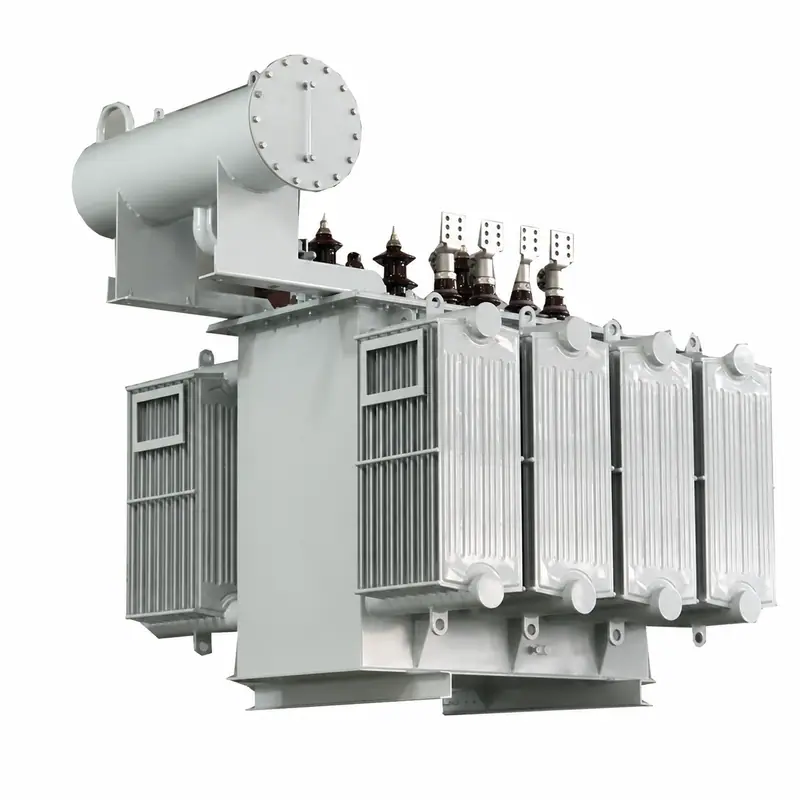
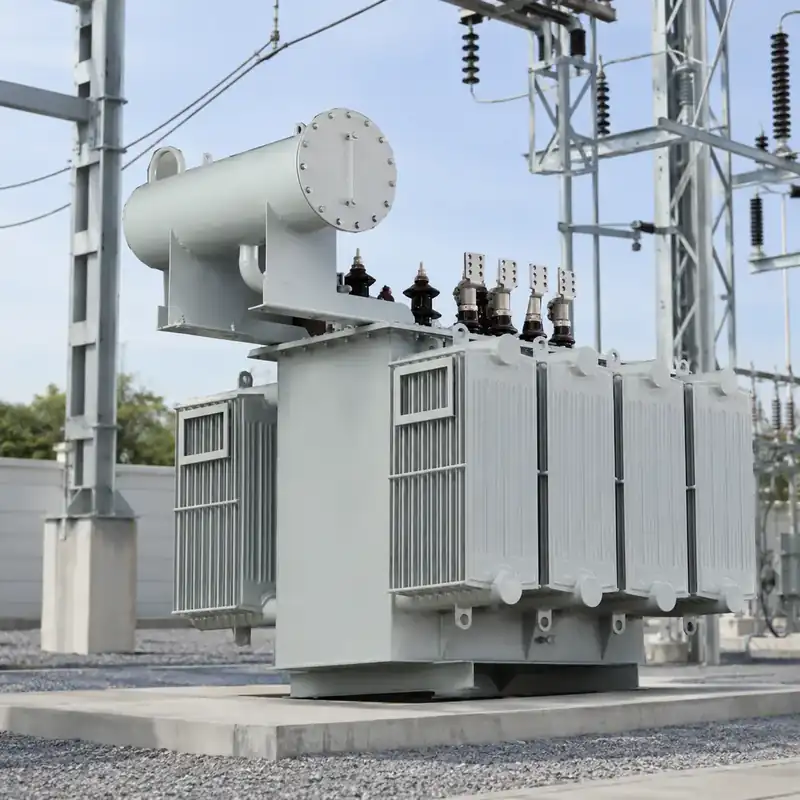
Hermetically sealed and conservator-type distribution and power transformers, 15 kVA to 31,500 kVA at 6–35 kV, with copper or aluminium windings and ONAN/ONAF cooling.
19 products
Remove a filter, or tell us what you need: most ratings can be built to order.
Oil-immersed transformers use mineral or natural-ester oil as both insulation and coolant. They are the standard choice for outdoor distribution because they carry overloads well, tolerate harsh climates and cost less per kVA than dry-type units of the same rating. Hermetically sealed tanks with corrugated walls avoid a conservator and keep moisture out; conservator designs with a dehydrating breather suit larger ratings and wide temperature swings.
When you specify, give the voltage ratio and tapping range, vector group, impedance, loss limits or a loss capitalisation formula, cooling (ONAN or ONAF), winding material and the governing standard. Those items set price, efficiency and how the unit will run in parallel with what is already installed.
An oil-immersed or oil-filled transformer has its core and windings inside a steel tank filled with insulating oil. The oil insulates the windings and carries heat to the tank walls or radiators, which lets the unit run outdoors, carry overloads well and reach higher ratings and voltages than a dry-type design.
Many operators sample the oil of distribution transformers every one to three years and of power transformers at least once a year, checking breakdown voltage, moisture, acidity and dissolved gases. Hermetically sealed units are sampled less often. Follow IEC 60422 or your utility practice for the exact interval and limits.
Hermetically sealed corrugated tanks need less maintenance and keep oil away from air, which slows ageing. Conservator types are preferred for larger ratings, very high ambient swings or where a Buchholz relay and oil sampling are required by the utility.
Both work when the design accounts for the conductor. Copper gives a smaller, lighter active part and slightly lower load losses for the same size; aluminium lowers material cost. Many utility specifications name one or the other, so check the tender first.
Mineral insulating oil to IEC 60296 is standard. Natural-ester fluid can be discussed for sites that need a higher fire point or a biodegradable fluid; it changes the design and price, so mention it at enquiry stage.

Tell us the rating, voltages and site. Our engineers review it against your network before pricing, and reply with ratings, losses, dimensions, test scope and a quotation.