





Tanzania50 Hz · Transformer
16 configurations
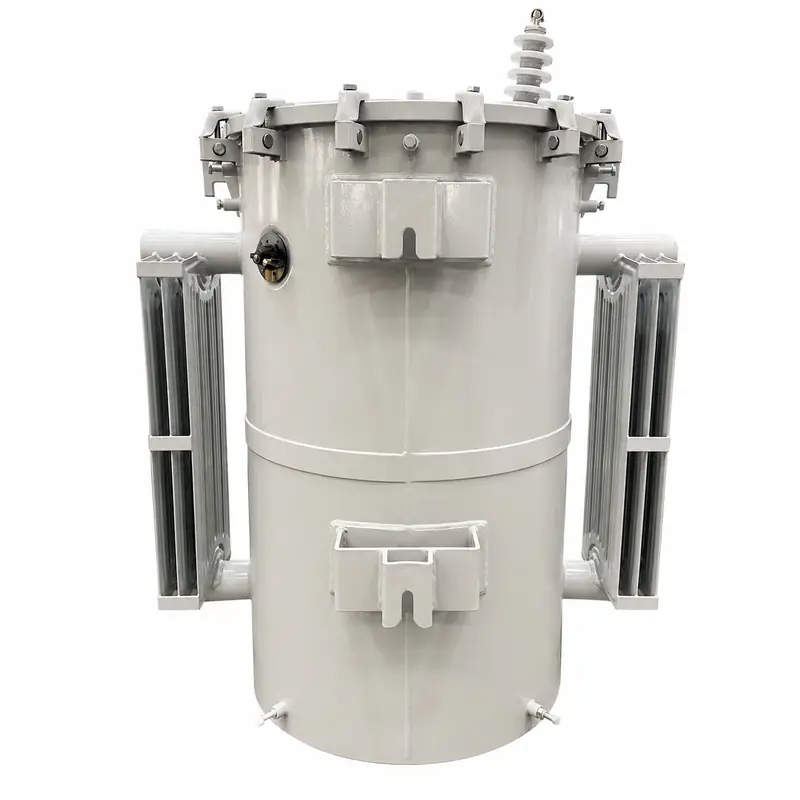
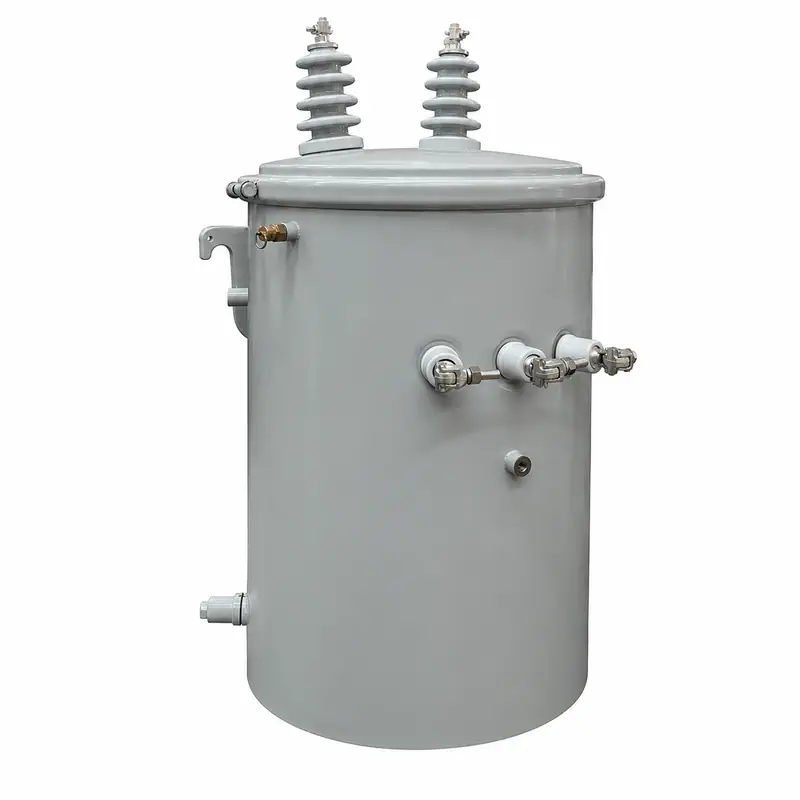
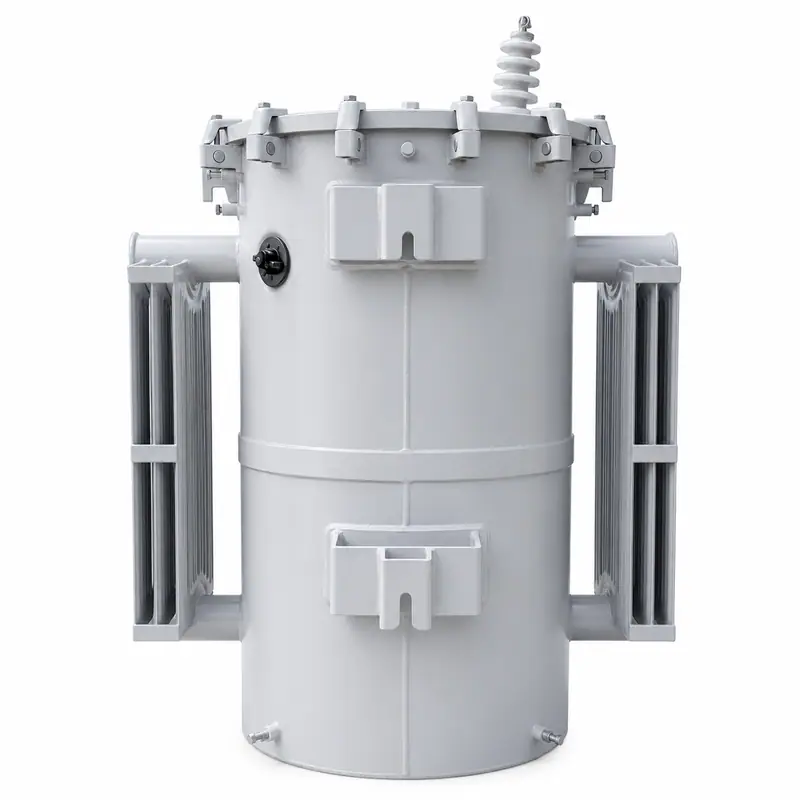
Single-phase and three-phase overhead-line transformers, 15–333 kVA at 7.2–34.5 kV, for rural electrification and residential feeders.

16 products
Remove a filter, or tell us what you need: most ratings can be built to order.
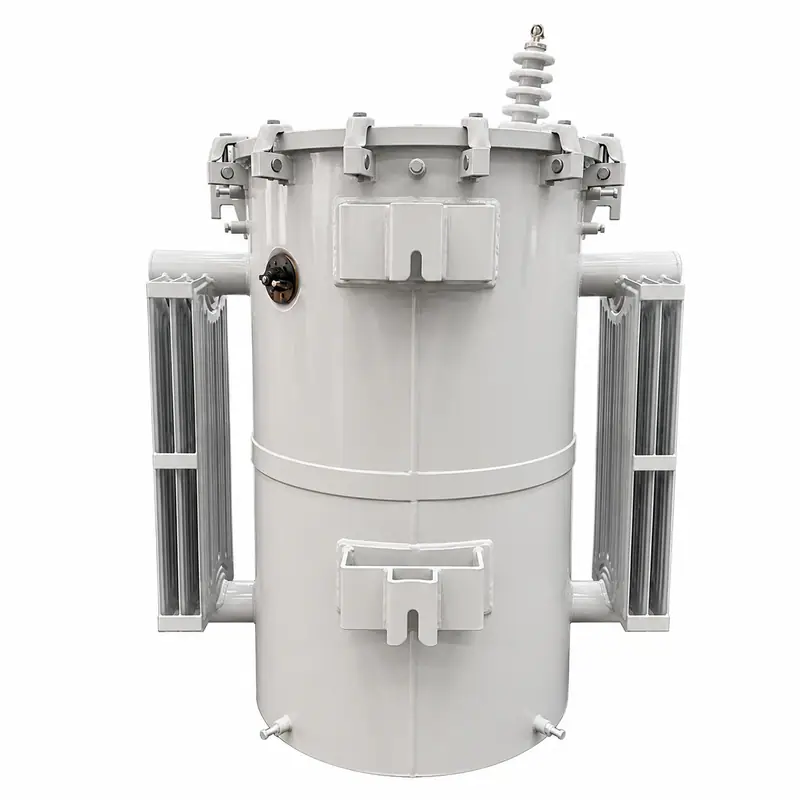
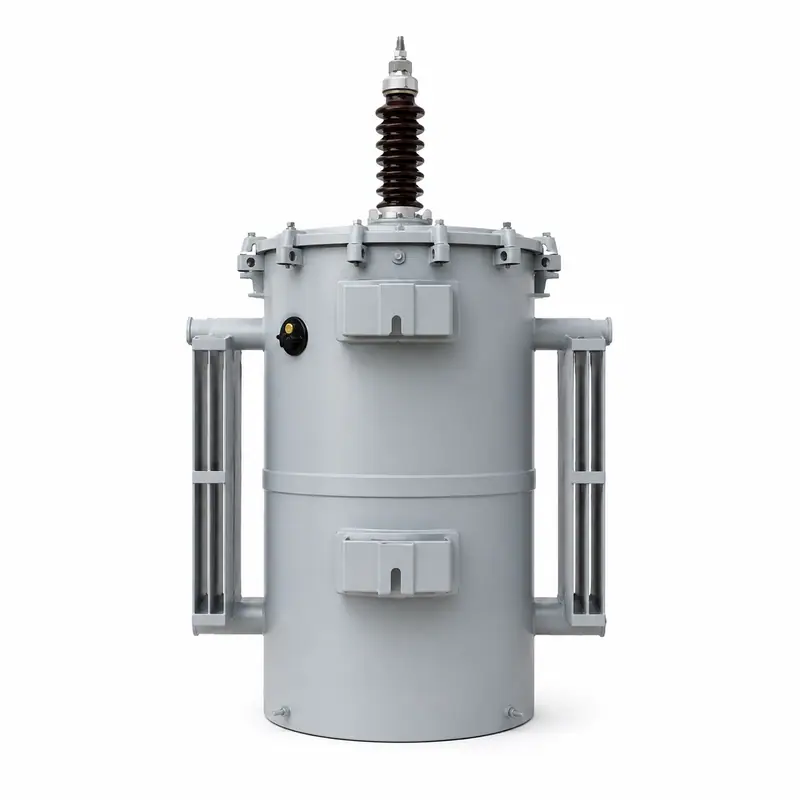
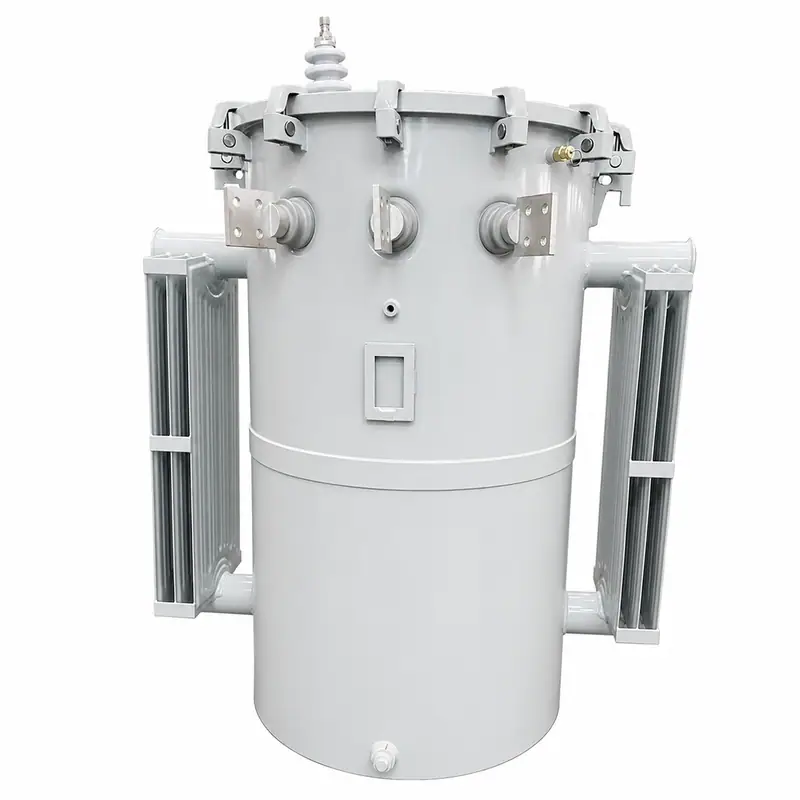
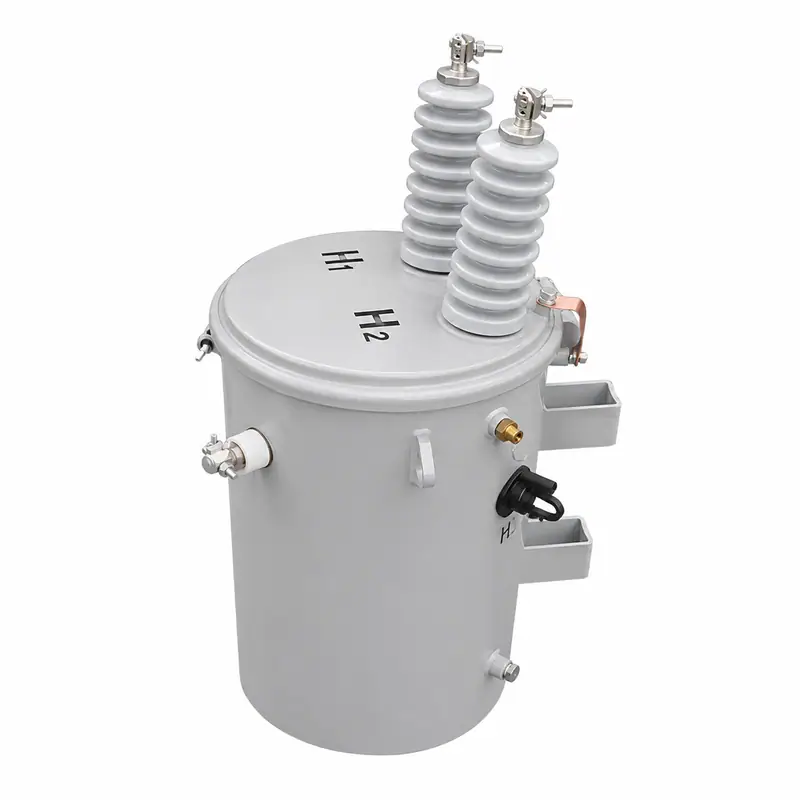
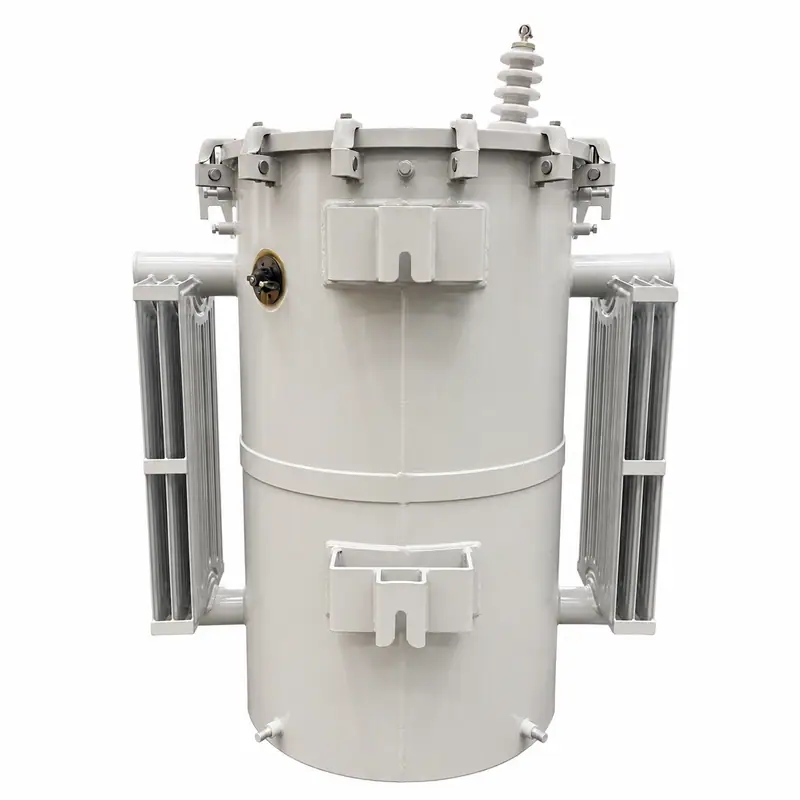
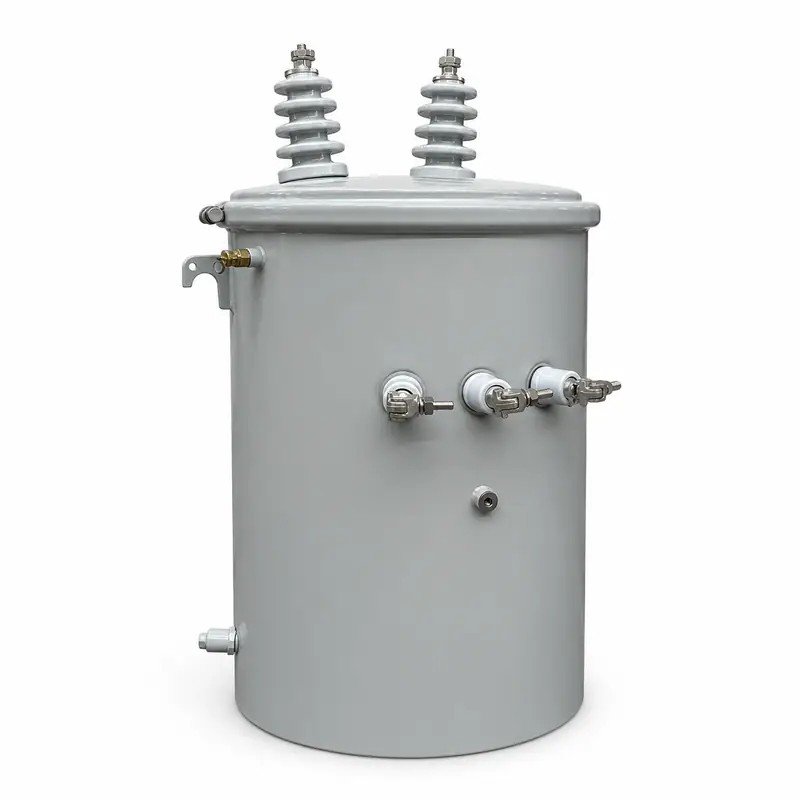
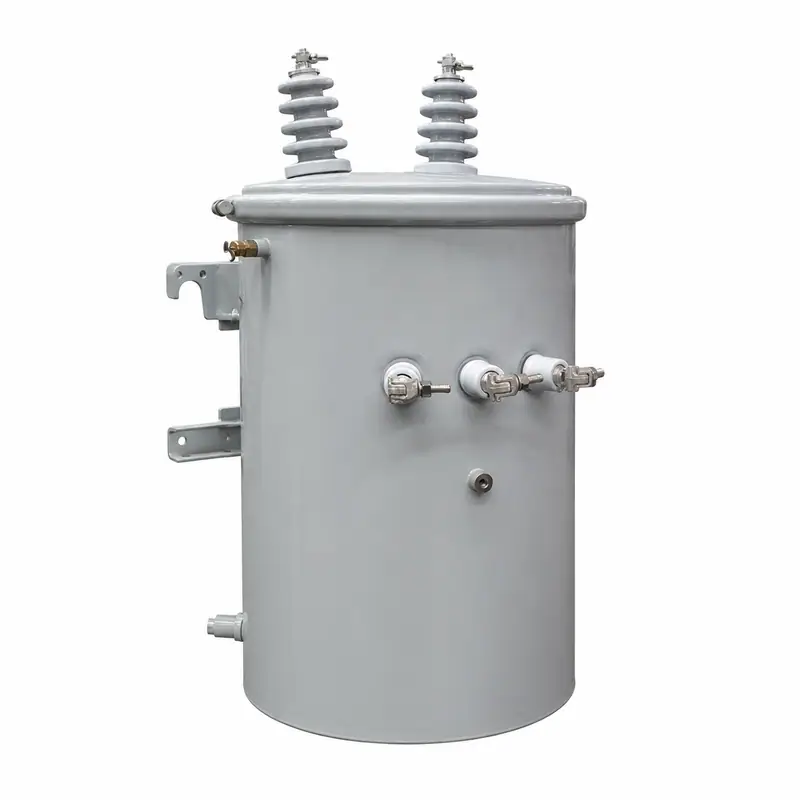
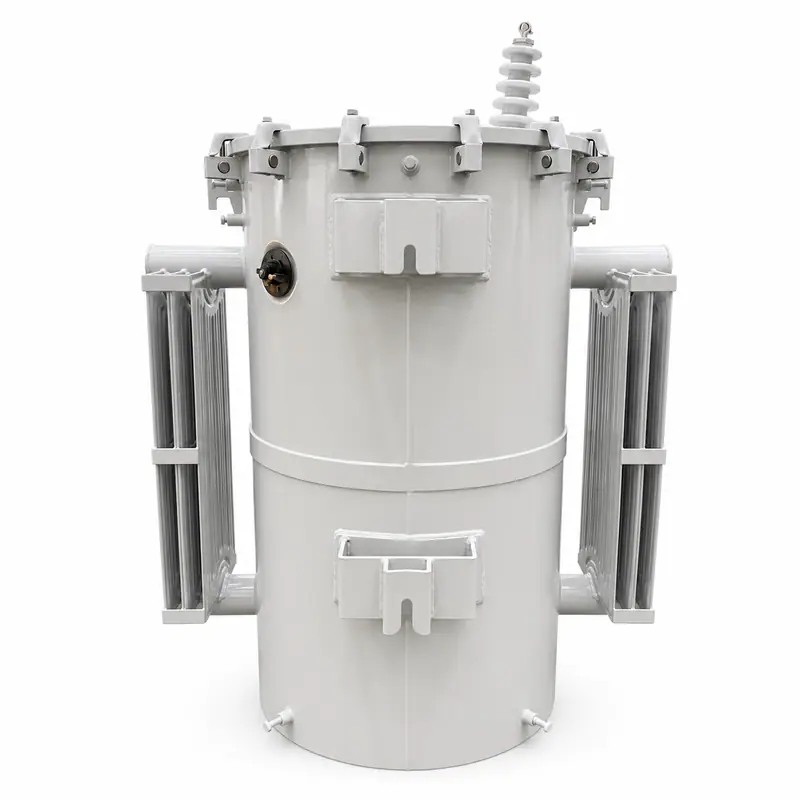
Pole-mounted transformers serve overhead distribution: rural electrification, residential streets and small commercial loads. Most are single-phase, oil-immersed, with ratings from 10 kVA to 333 kVA and a primary from 7.2 kV to 34.5 kV class, delivering 120/240 V or 230/460 V secondary depending on the market.
Conventional units rely on external cut-out fuses and surge arresters; completely self-protected (CSP) designs carry an internal fuse link, an arrester and an LV breaker in the tank. Tell us the line voltage, BIL, secondary arrangement and the hanger or bracket style your utility uses.
A power pole (utility pole) transformer is a small oil-immersed distribution transformer hung on an overhead line pole. It steps the line voltage, typically 7.2 kV to 34.5 kV class, down to the service voltage for nearby homes and businesses, such as 120/240 V.
It depends on the rating and the loads. A 25 kVA or 50 kVA pole transformer commonly serves a handful of homes in North American practice; larger loads or electric heating need bigger units. The utility sizes it from diversified household demand.
A completely self-protected transformer includes primary protection (a weak-link fuse), a surge arrester and a secondary circuit breaker as part of the unit, which reduces the need for separate protective devices on the pole.
Common options are 120/240 V split-phase for North American practice and 230 V or 230/460 V for IEC-based networks. Other voltages such as 480 V or 600 V can be built for specific loads.
Add up the connected household or business loads with a realistic diversity factor and allow for growth. Our sizing calculator gives a first estimate, which the engineering team then checks.
Tell us the rating, voltages and site. Our engineers review it against your network before pricing, and reply with ratings, losses, dimensions, test scope and a quotation.