




Germany50 Hz · Energy storage
16 configurations
Containerised LiFePO4 battery energy storage from 500 kWh to 10 MWh, with BMS, PCS and EMS integrated for solar, grid and C&I projects.

16 products
Remove a filter, or tell us what you need: most ratings can be built to order.
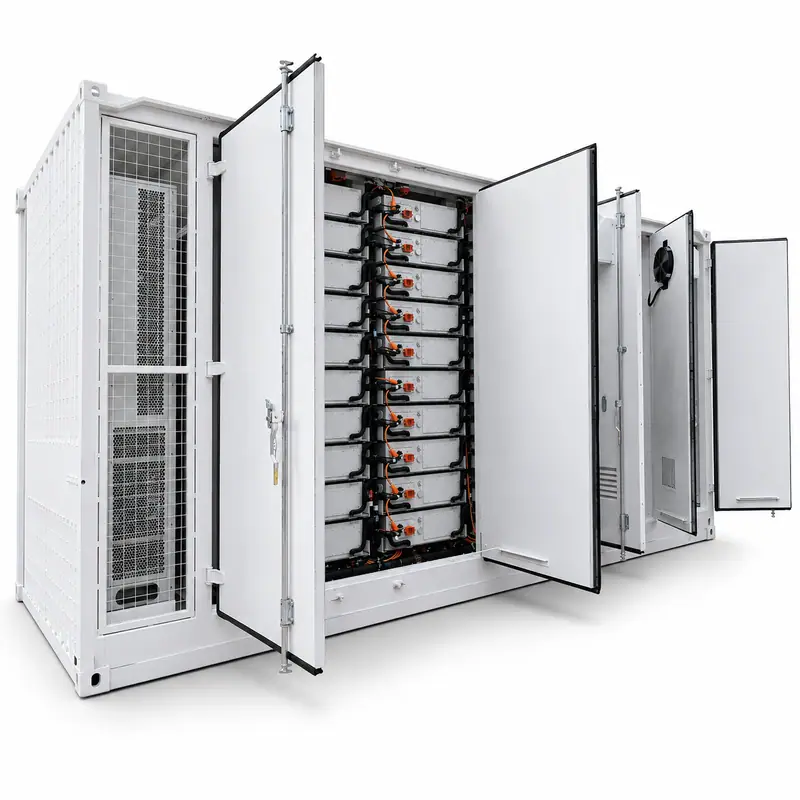
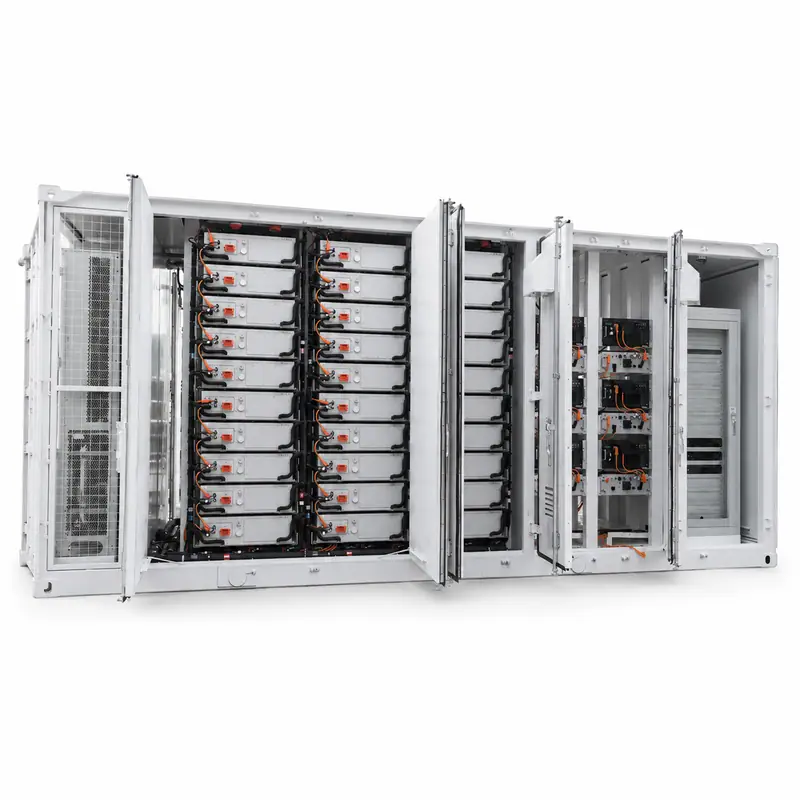
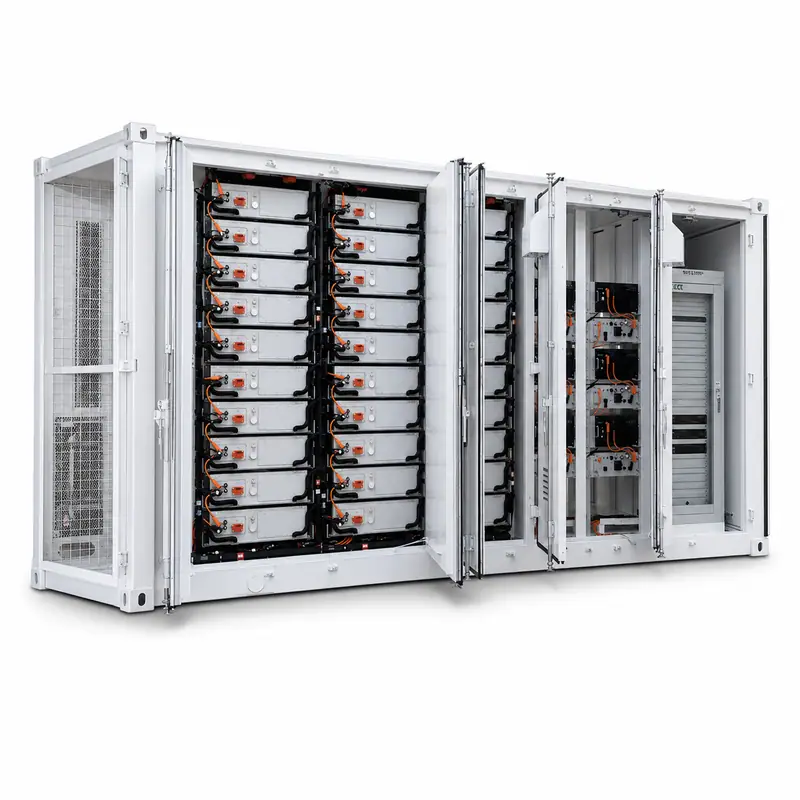
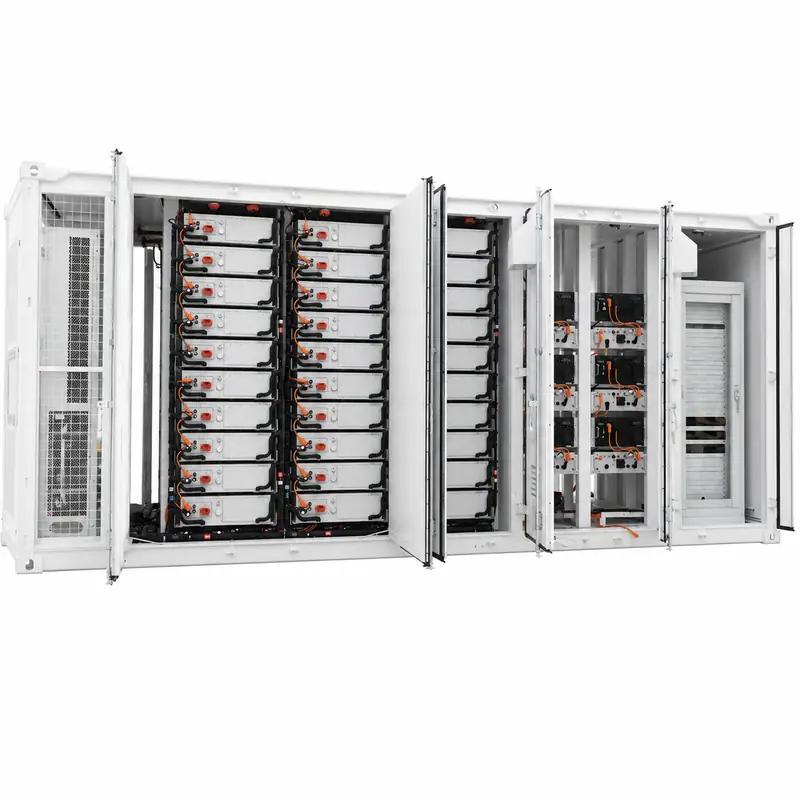
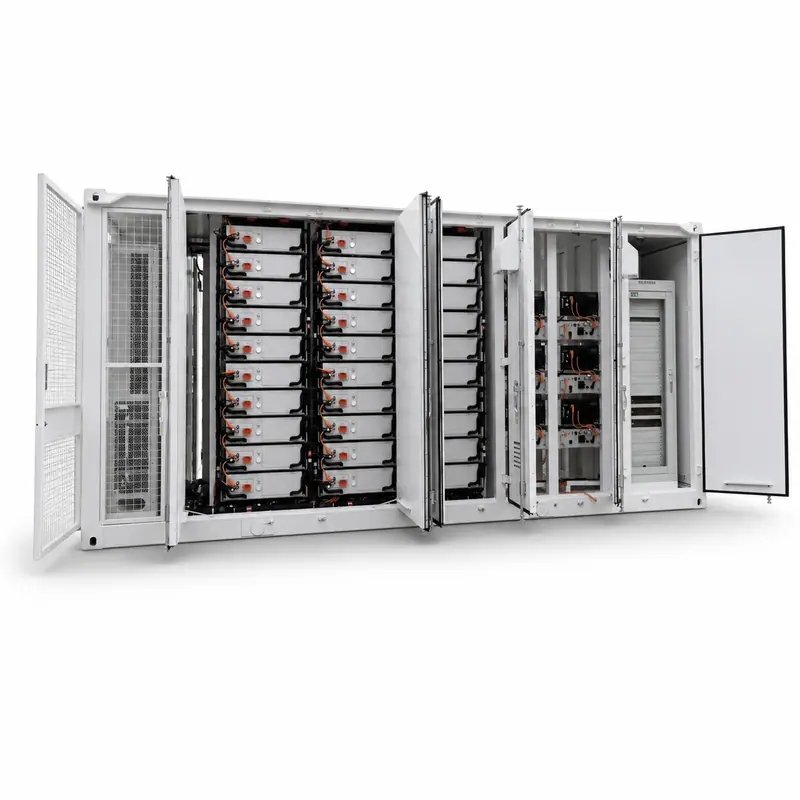
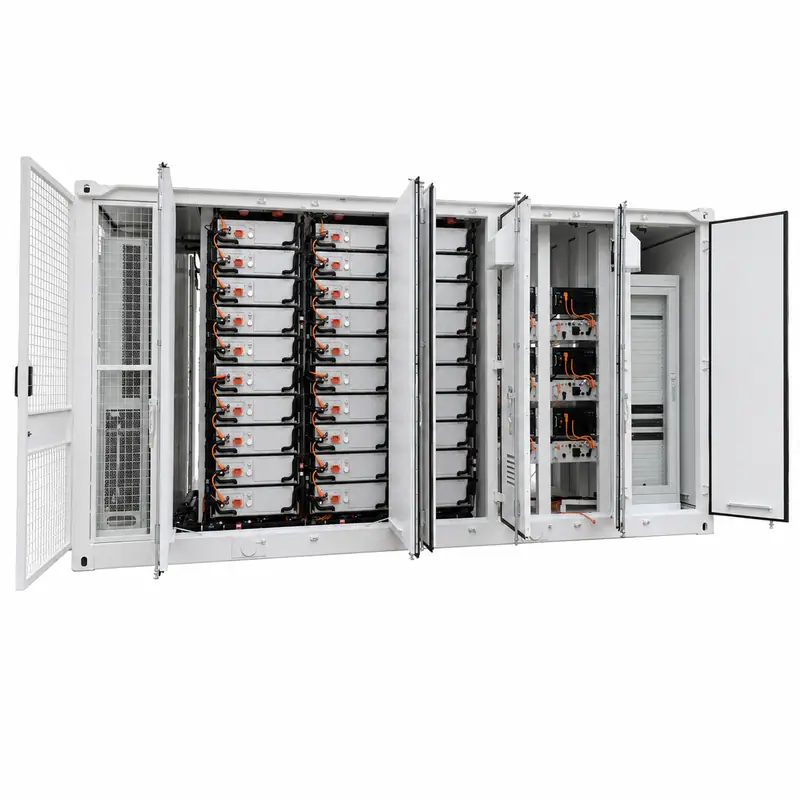
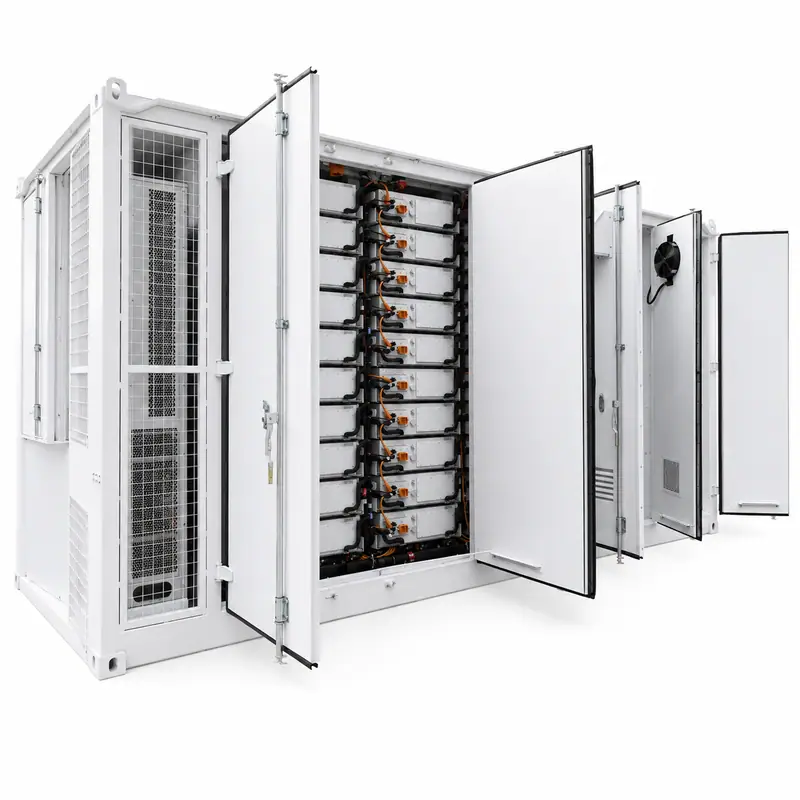
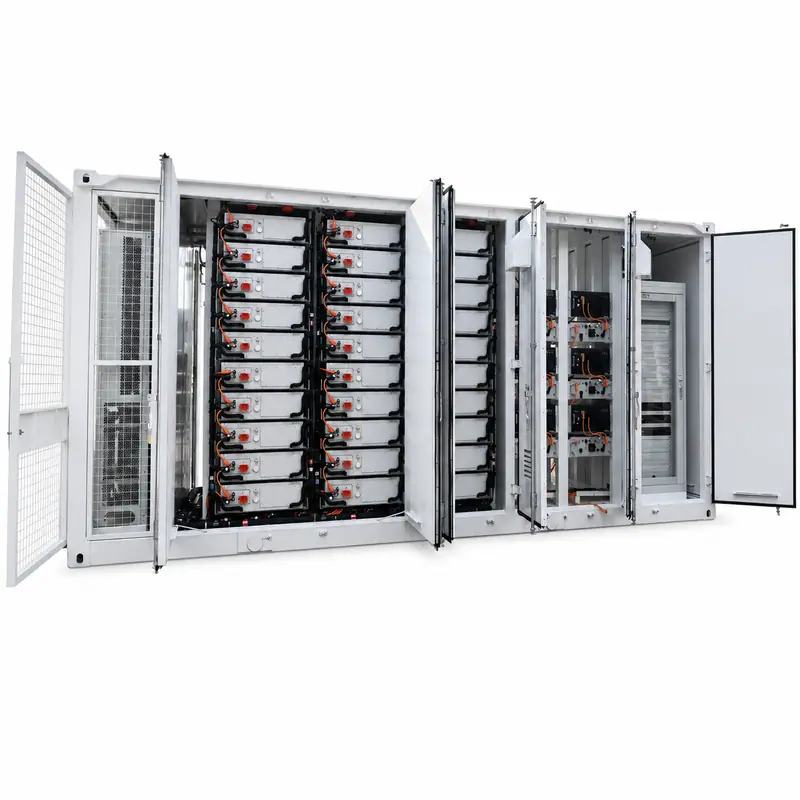
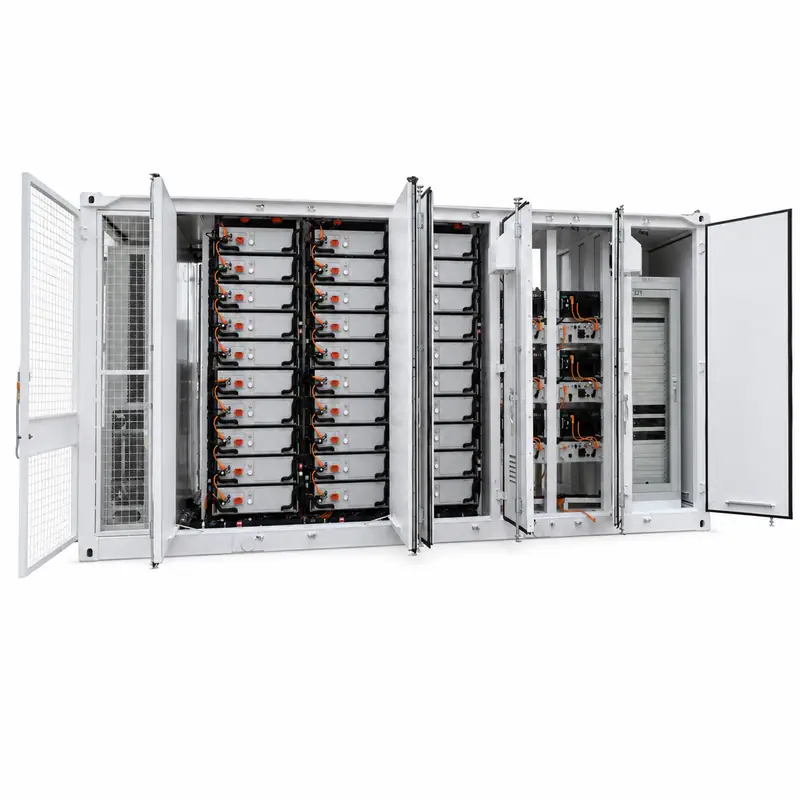
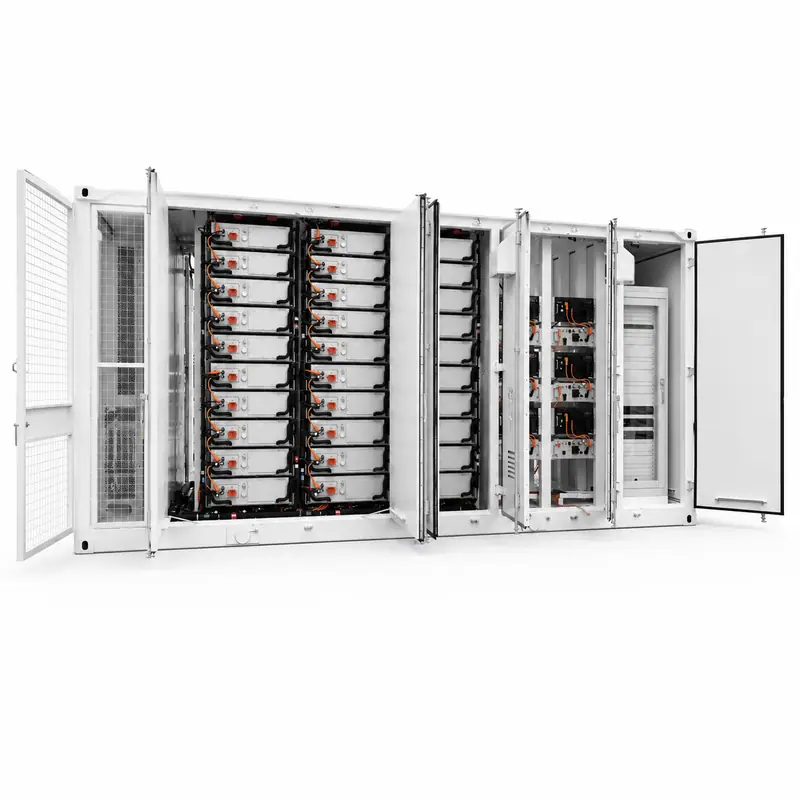
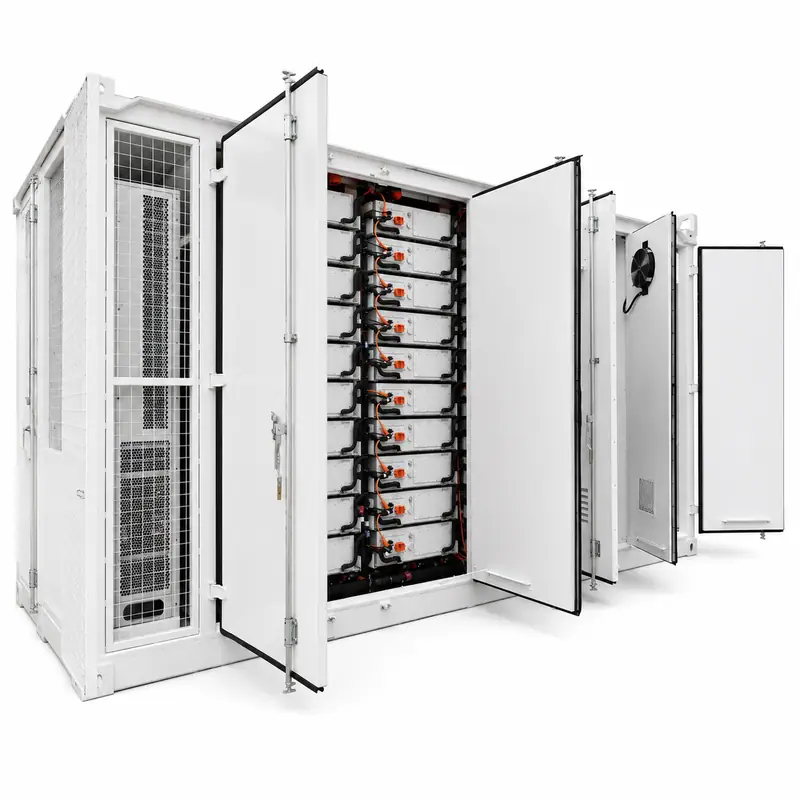
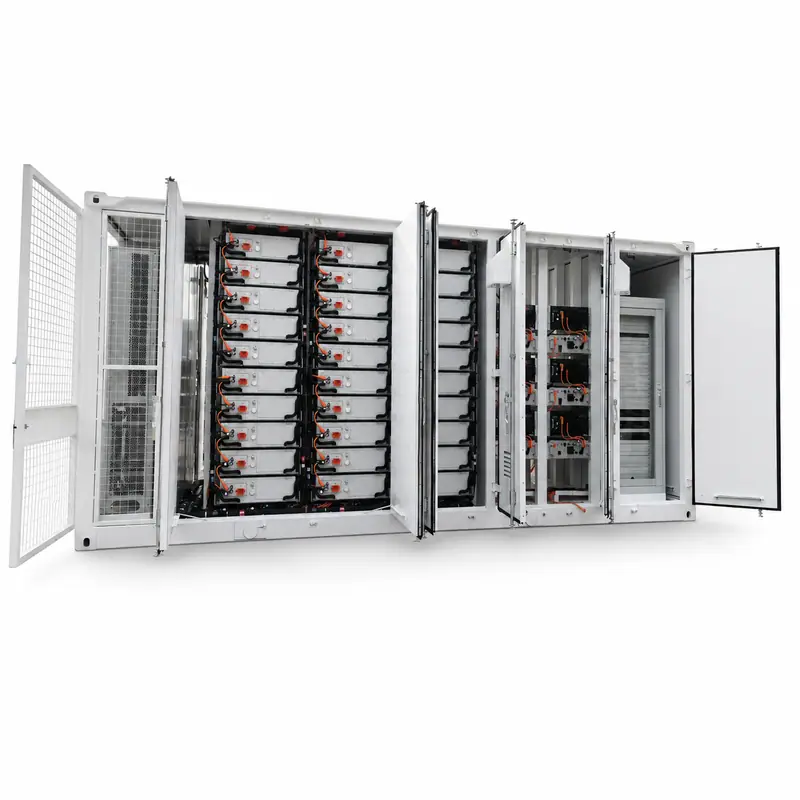
Containerised battery energy storage systems put lithium iron phosphate (LFP) battery racks, the battery management system, fire suppression, thermal management and often the power conversion system into 10 ft, 20 ft or 40 ft containers. They are used for solar time-shifting, peak shaving, backup power, microgrids and grid services.
Size the system on two numbers: power in kW or MW (how fast it can charge and discharge) and energy in kWh or MWh (how long it can sustain that power). Then add the grid connection, the operating strategy, the expected cycles per day and the site climate so the cooling, augmentation plan and warranty terms fit the project.
A battery energy storage system (BESS) stores electricity in battery cells and returns it to a site or the grid when needed. Besides the batteries it includes a battery management system, a power conversion system (inverter), an energy management system, thermal management and fire protection.
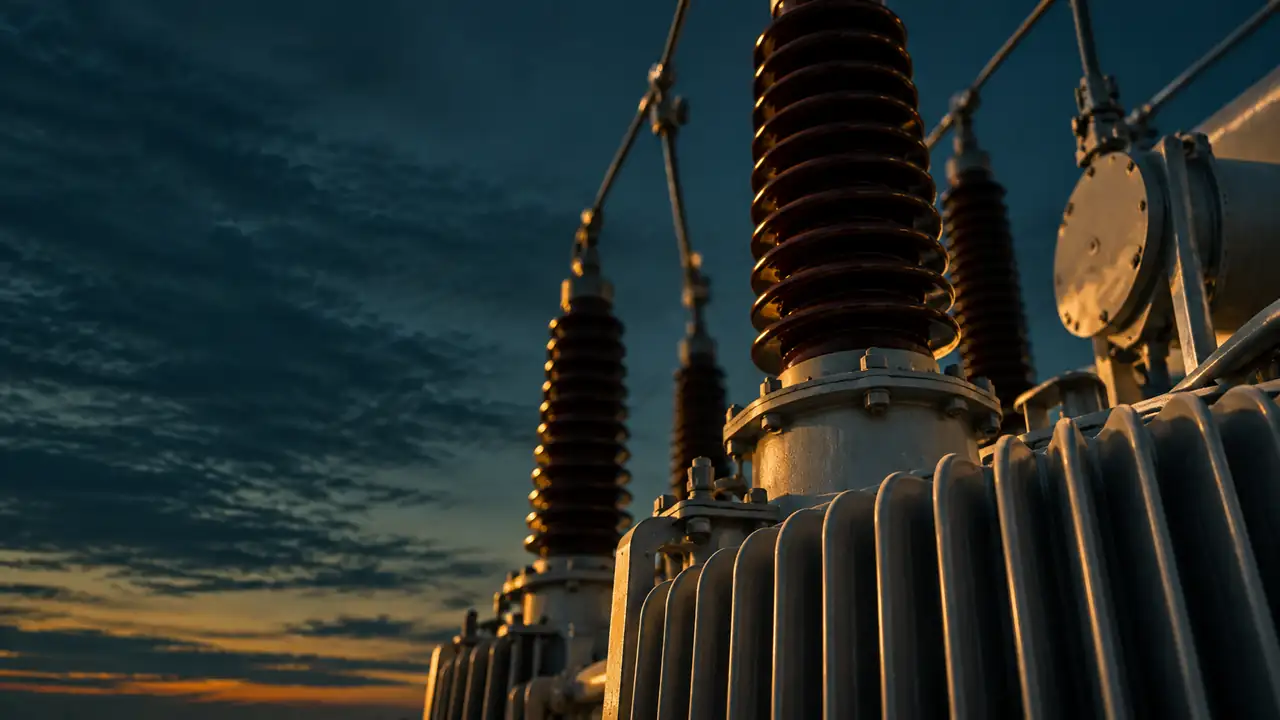
BESS stands for battery energy storage system. In utility and commercial projects it usually means a containerised or cabinet system with lithium iron phosphate cells connected to the grid through a power conversion system and, for larger systems, a step-up transformer.
Lithium iron phosphate cells offer long cycle life, good thermal stability and no cobalt, which is why they dominate stationary storage. Their energy density is lower than some other chemistries, but that matters less in a container than in a vehicle.
kW is the power the system can deliver at any moment; kWh is the energy it stores. A 1 MW / 2 MWh system can deliver 1 MW for about two hours, before efficiency and depth-of-discharge limits.
Both formats are available: all-in-one containers with integrated PCS and EMS, or battery-only containers that connect to an external PCS and step-up transformer skid.


Tell us the rating, voltages and site. Our engineers review it against your network before pricing, and reply with ratings, losses, dimensions, test scope and a quotation.