


South Africa50 Hz · Transformer
16 configurations
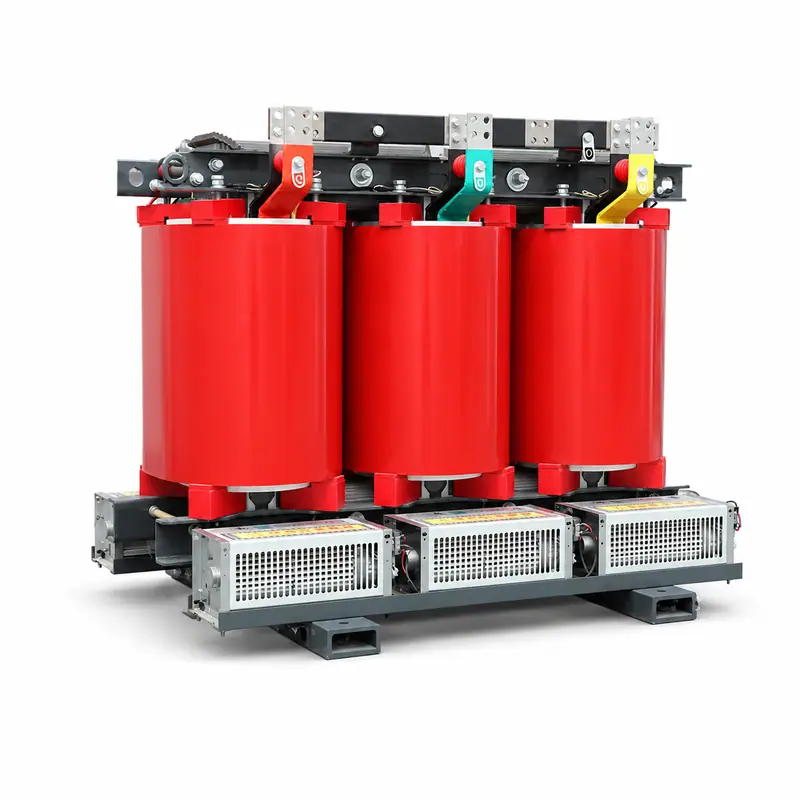
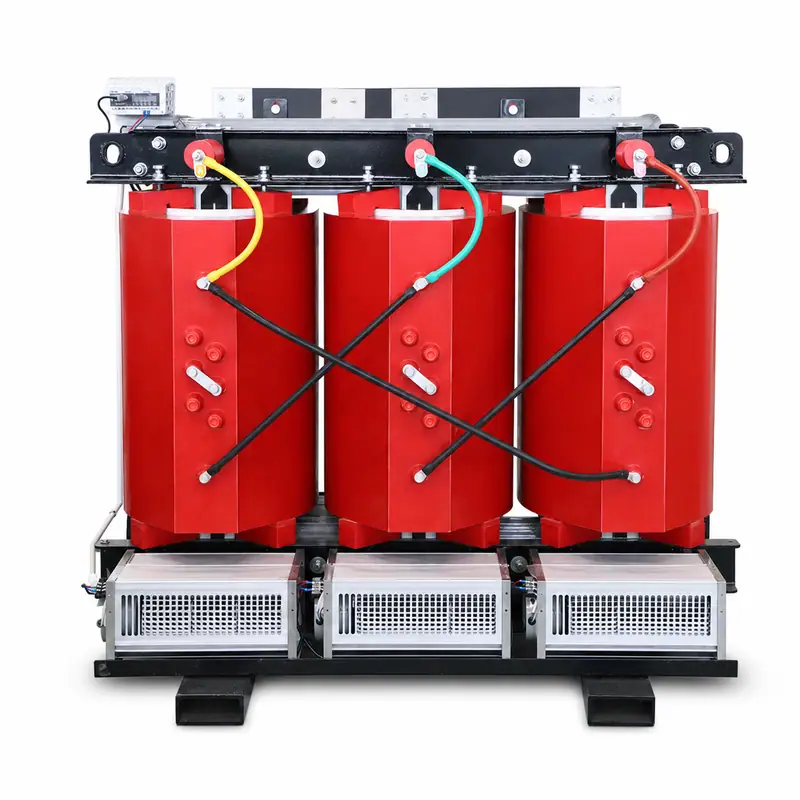
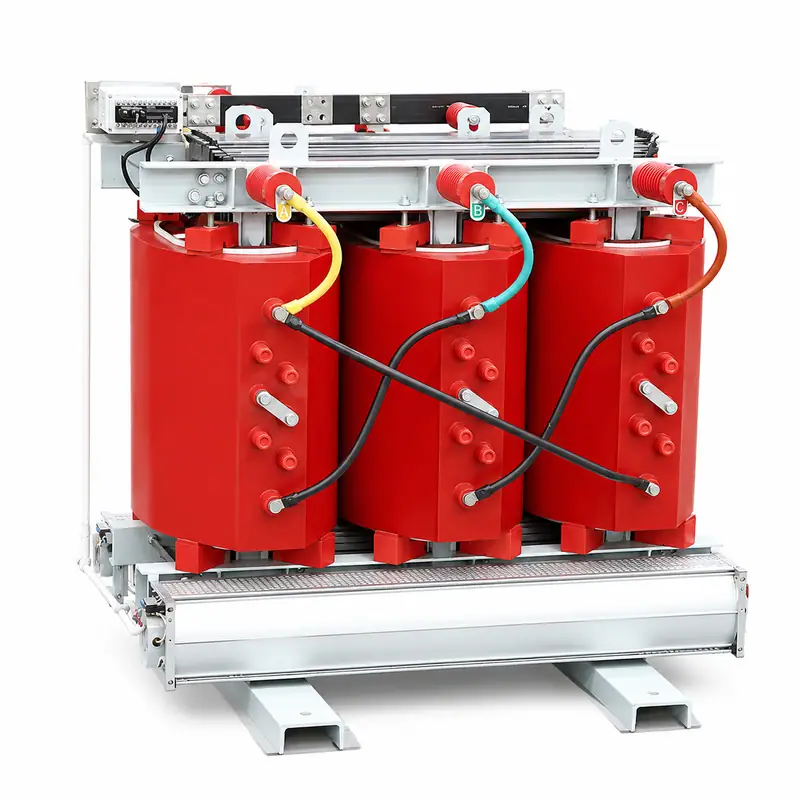
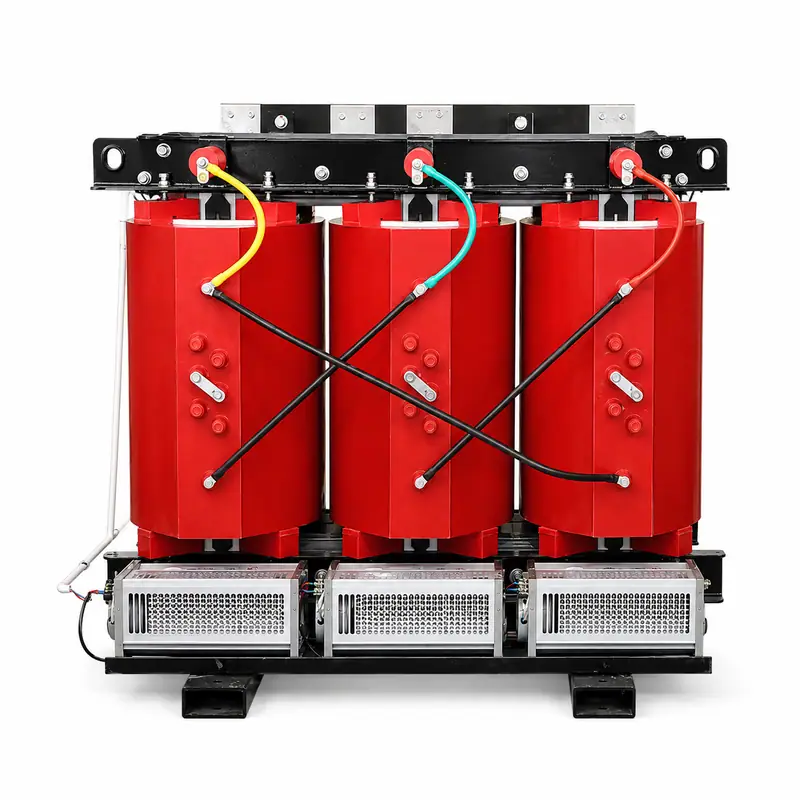
Cast-resin transformers from 30 kVA to 5,000 kVA at 6.3–35 kV, Class F/H insulation, for indoor sites where oil is not acceptable.
16 products
Remove a filter, or tell us what you need: most ratings can be built to order.
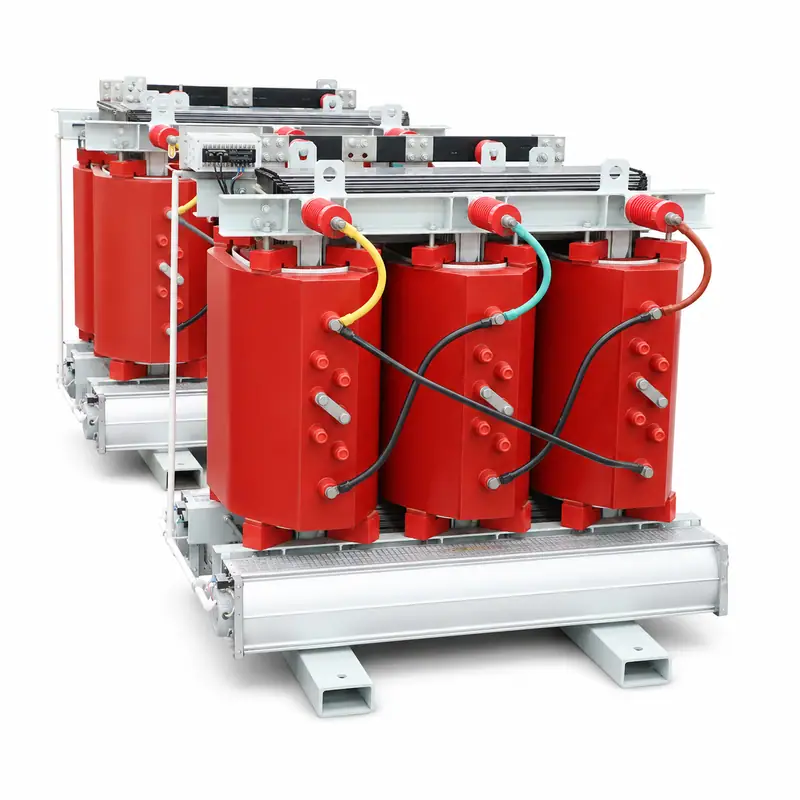
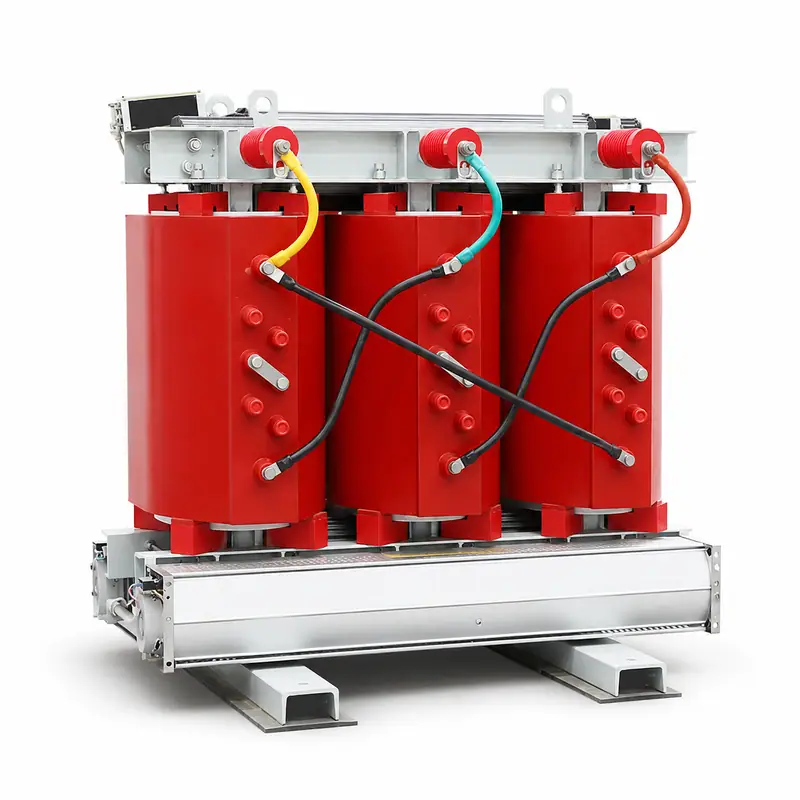
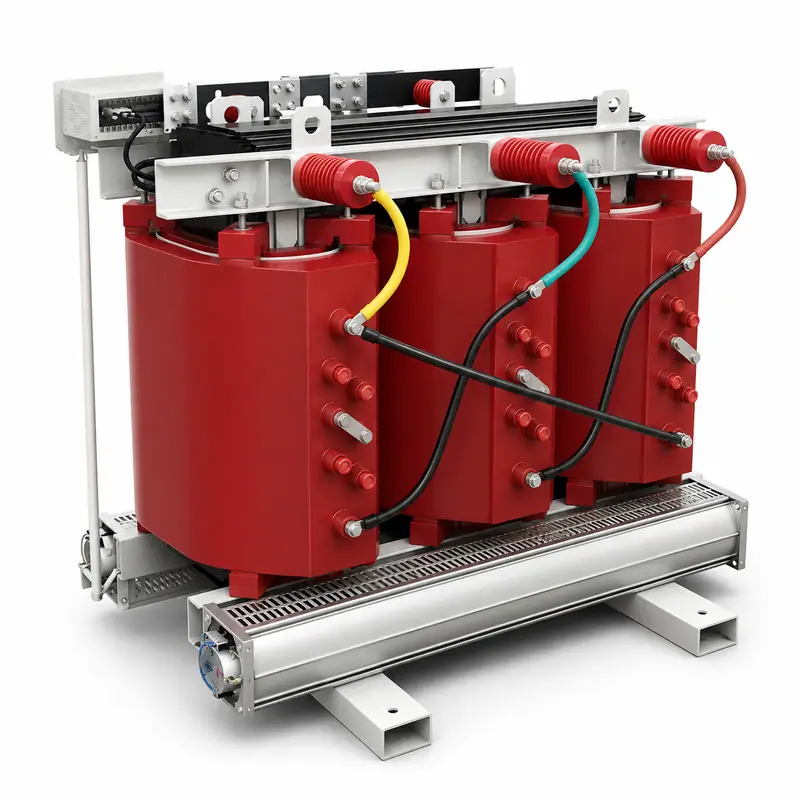
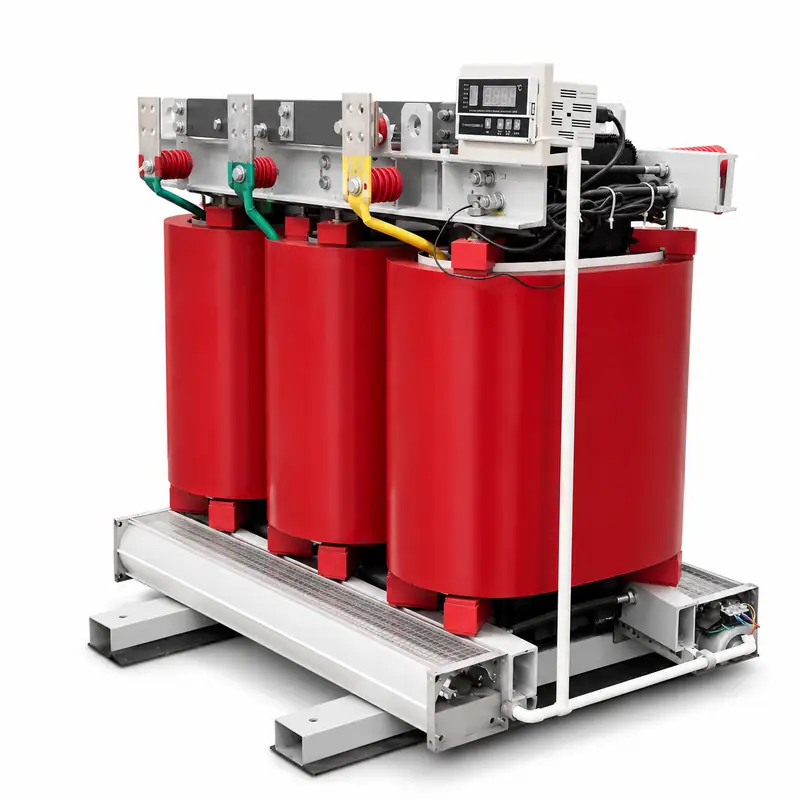
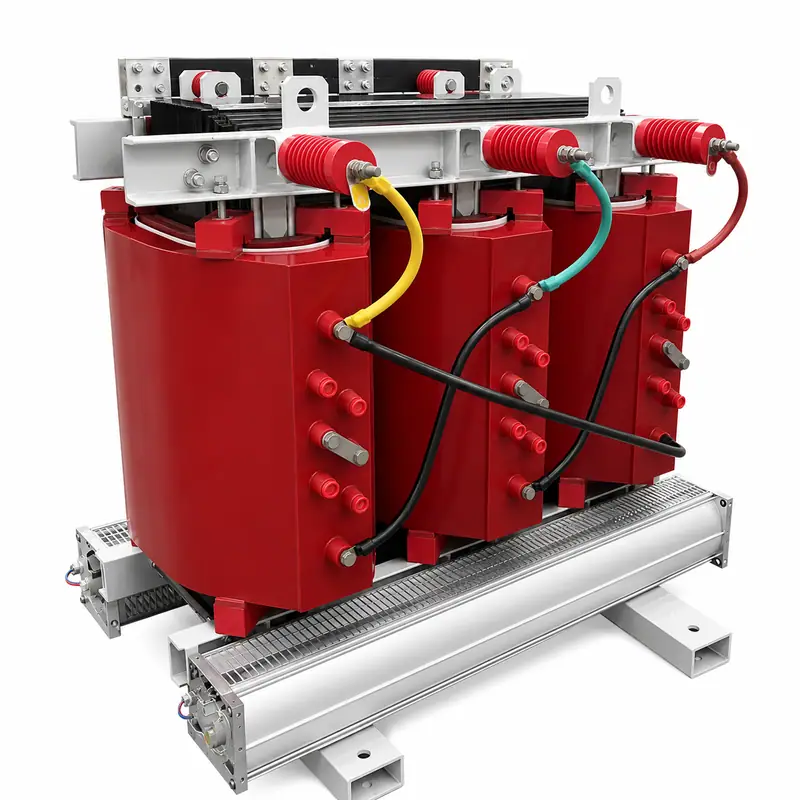
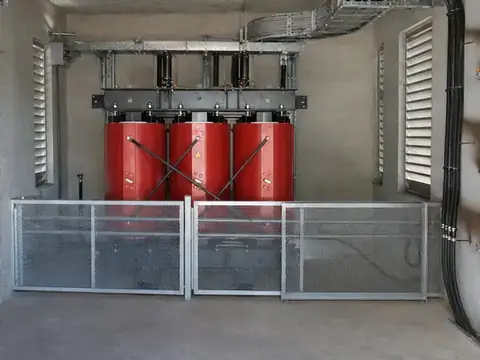
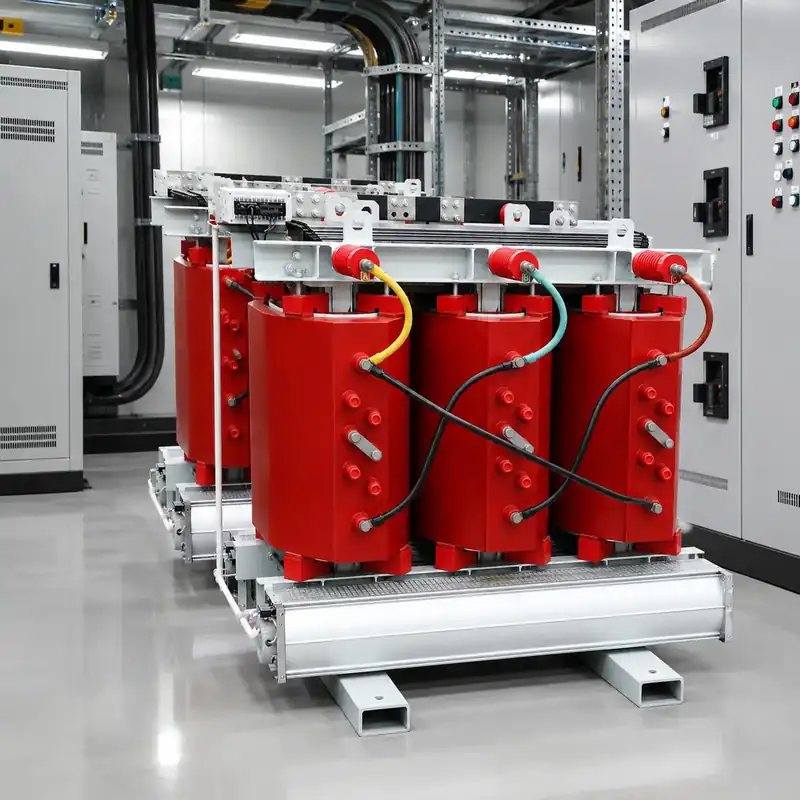
Dry-type transformers encapsulate the high-voltage windings in epoxy resin, so there is no liquid to leak or burn. That makes them the default for indoor substations in hospitals, data centres, high-rise buildings, tunnels, ships and industrial plants where fire safety and cleanliness rule out oil.
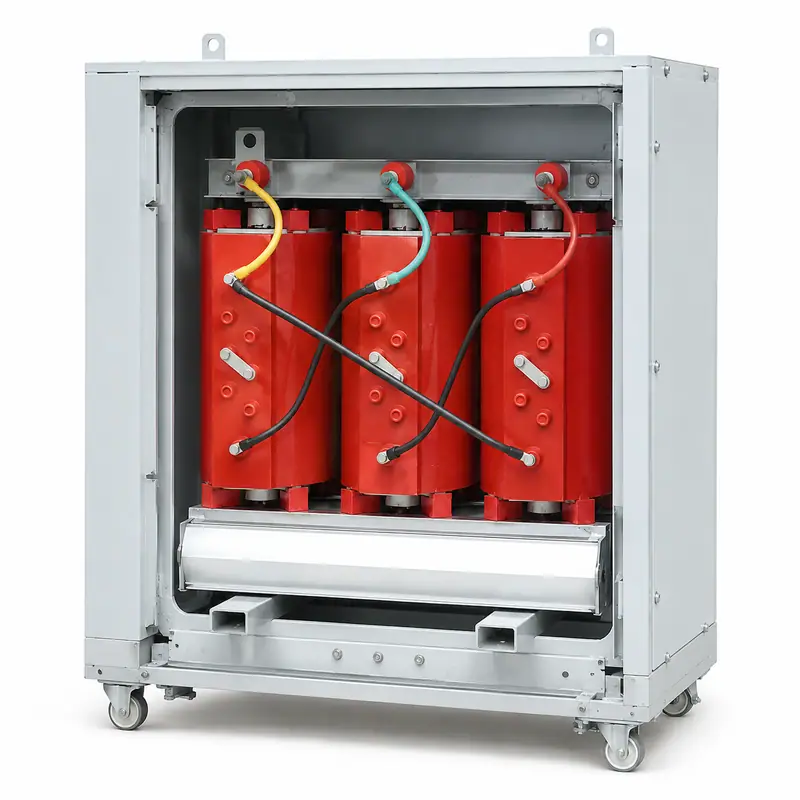
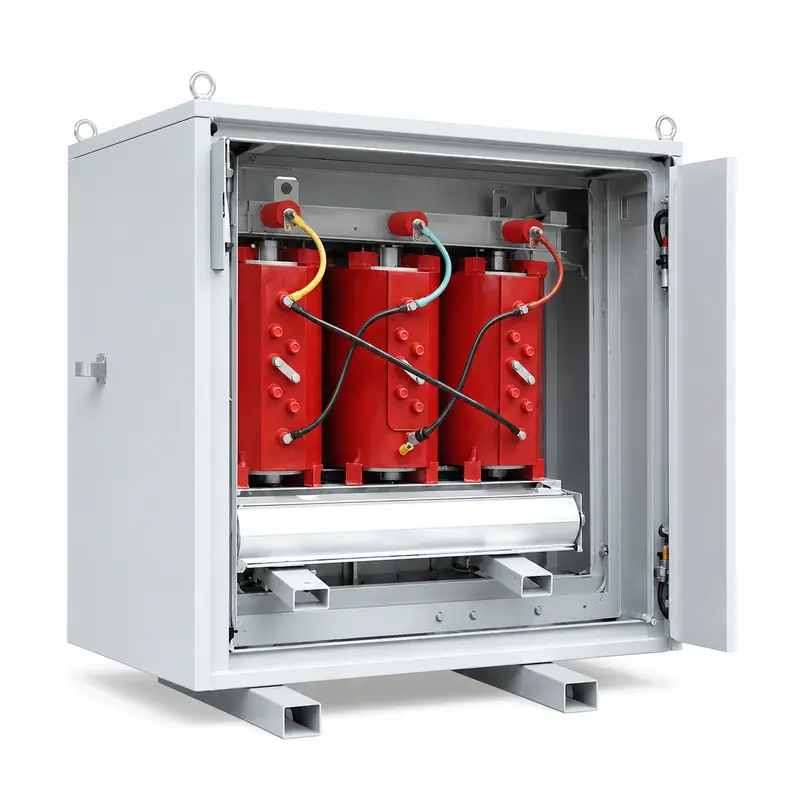
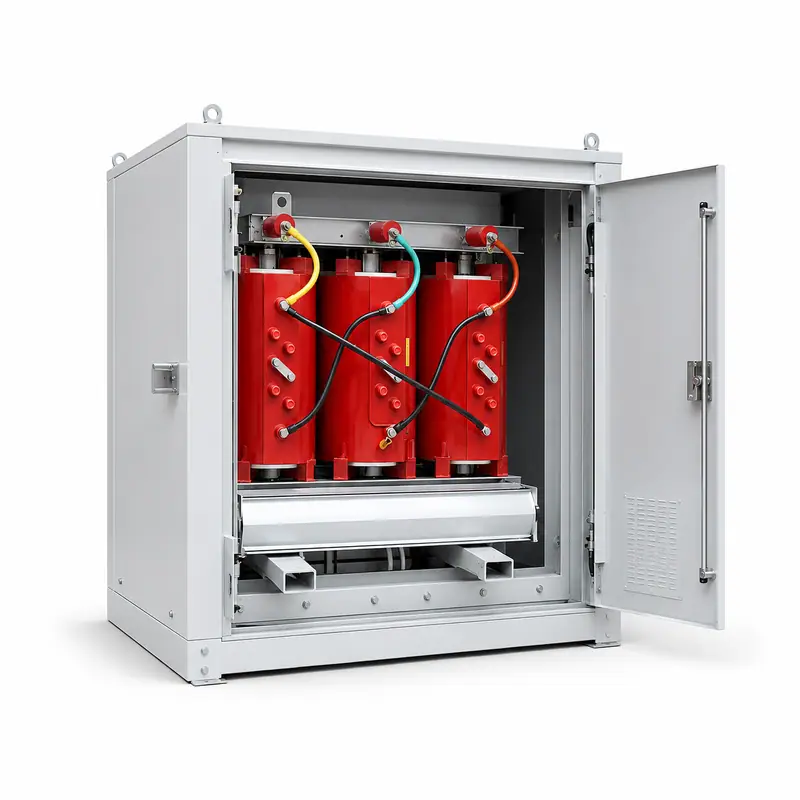
Key choices are the insulation class (F or H) and allowed temperature rise, cooling (AN natural air, or AF with fans for extra temporary capacity), enclosure protection (IP00 open core, IP20 or IP23 housings) and the environmental, climatic and fire behaviour classes of IEC 60076-11. A digital temperature controller with PT100 sensors normally comes with the unit.
The main types are cast-resin (CRT), where the windings are encapsulated in epoxy under vacuum, vacuum pressure impregnated (VPI) and vacuum pressure encapsulated (VPE) designs, where varnish or resin is impregnated into open windings. Cast-resin units resist moisture and pollution best and are the type supplied in this range.
Often slightly, because there is no oil and tank to damp core vibration. Sound level depends mainly on core flux density and design; if the room is near offices or homes, state a sound power limit in the enquiry so the core can be designed for it.
Choose dry-type for indoor or occupied spaces, sites with strict fire codes, or places where oil containment is impractical. For outdoor sites with no such constraints, oil-immersed units are usually lower in cost and losses.
Forced-air fans let a dry-type transformer carry more than its natural-air rating for a period, which is useful for peaks and emergencies. Continuous rating should still be chosen on AN cooling.
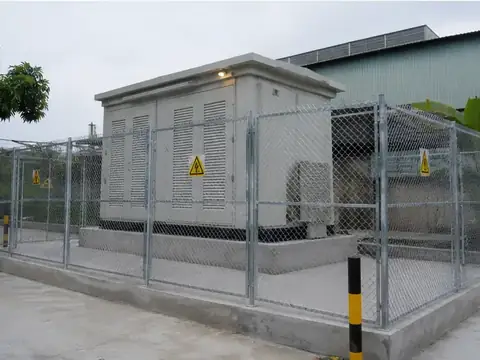
IP00 suits a locked electrical room with its own protection. IP20 or IP23 enclosures protect people and the unit from contact and dripping water. Higher ratings reduce cooling and must be checked against the losses.
Tell us the rating, voltages and site. Our engineers review it against your network before pricing, and reply with ratings, losses, dimensions, test scope and a quotation.